
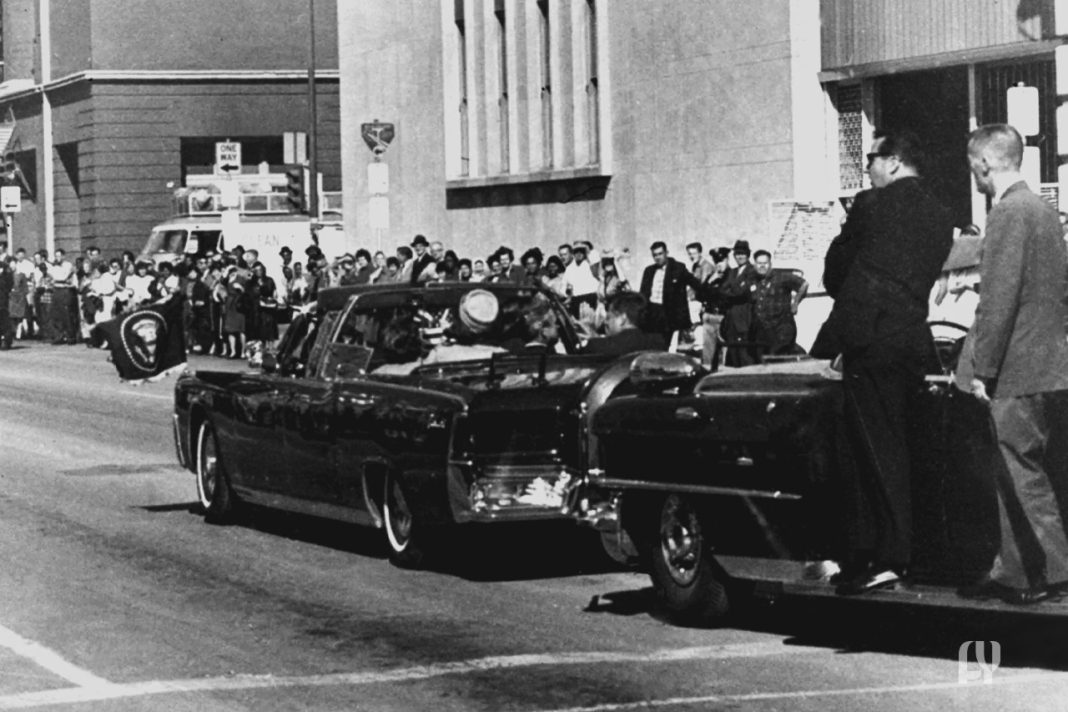

Trump’s JFK Files Revelation Ignites Global Debate Over Hidden Histories and CIA Secrets
Key Takeaways from the JFK Files Revelation
In a seismic move, former President Donald Trump authorised the release of over 2,000 formerly classified documents. This decision has reignited decades-old debates. These documents are related to the assassination of President John F. Kennedy. Dubbed the “JFK Files Revelation,” this unprecedented disclosure has sent shockwaves through historical, political, and intelligence circles. It offers fresh insights into one of America’s most enduring mysteries. This disclosure also exposes covert CIA operations far beyond U.S. borders.
The trove of files was released by the National Archives in compliance with a 1992 congressional mandate. It includes memos, raw intelligence reports, and operational records. These documents had been withheld for over six decades. The bulk of the documents confirm long-held suspicions about the CIA’s clandestine activities during the Cold War. They also raise unsettling questions about the agency’s entanglement in global conflicts. These include issues related to apartheid-era South Africa.
The CIA didn’t just watch apartheid—it enabled it.
“This isn’t just about Dallas in 1963,” said historian Clara Meeks. She is the author of Shadow Play: The Untold Chronicles of the Cold War. “The JFK Files Revelation peels back layers of state secrecy that shaped U.S. foreign policy for generations. It’s a Pandora’s box of geopolitical intrigue.”
Oswald, the CIA, and the “Lone Gunman” Myth Revisited
JFK Files Revelation focuses on the CIA’s meticulous tracking of Lee Harvey Oswald. He was an ex-Marine who defected to the Soviet Union in 1959. Oswald returned to the U.S. in 1962. The Warren Commission concluded Oswald acted alone in assassinating Kennedy. Newly released files reveal the agency’s deep—and formerly obscured—fascination with his movements.
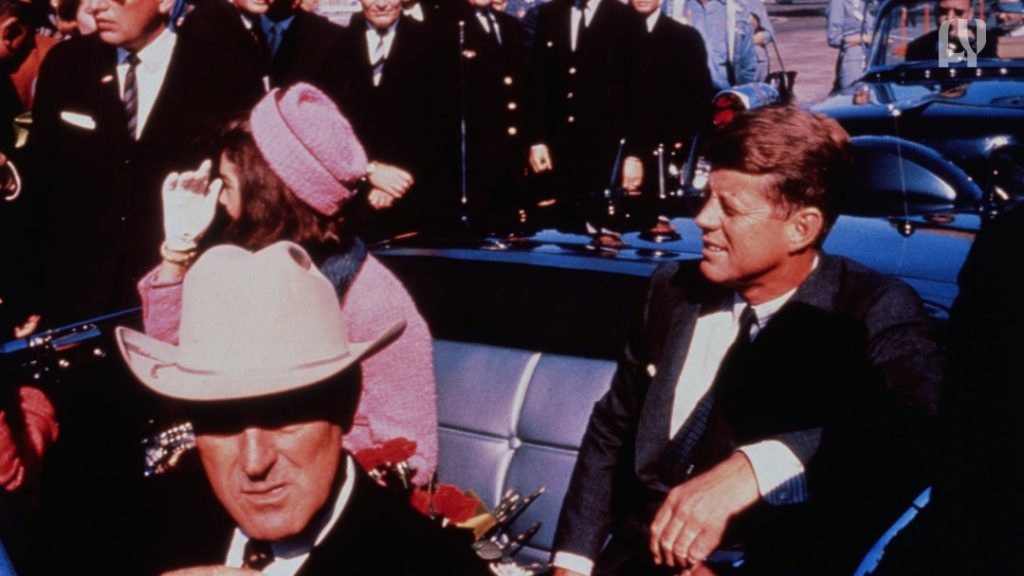
A 1963 memo from a CIA field officer in Mexico City provides information about Oswald’s meetings. He met with Soviet operatives weeks before the assassination. Another document confirms FBI Director J. Edgar Hoover had private doubts about the “lone gunman” narrative. Days after Kennedy’s death, he wrote, “We must convince the public Oswald was the sole culprit. The choice is a disaster for national security.”
Records linking Oswald to a shadowy network of anti-Castro Cuban exiles are most striking. Some of these exiles were funded by CIA-backed initiatives to overthrow Fidel Castro. There is no “smoking gun” directly tying the agency to Kennedy’s murder. The files underscore a toxic climate of Cold War paranoia. This climate has inadvertently created the conditions for tragedy.
“The CIA was running rogue operations against Castro, including assassination plots, while at the same time monitoring Oswald,” said Meeks. “The JFK Files Revelation doesn’t prove a conspiracy. It shows how chaos and competition within intelligence agencies have obscured critical truths.”
How the JFK Files Revelation Exposes CIA Operations in Apartheid South Africa
Beyond Dallas, the documents have unearthed explosive details about the CIA’s covert activities in 1960s South Africa. Files confirm the agency operated safe houses in Pretoria and Johannesburg. They collaborated with apartheid-era officials. Their aim was to suppress communist movements and watch anti-government dissidents. One memo from 1961 describes a covert arms shipment to a Pretoria-based group “to counter Soviet influence in the region.”
“These records confirm what many suspected: The U.S. prioritised Cold War alliances over human rights,” said Thandiwe Nkosi, a South African historian. “The CIA didn’t just watch apartheid—it enabled it.”
This isn’t just about Dallas in 1963. The JFK Files Revelation peels back layers of state secrecy that shaped US foreign policy for generations.
The revelations have sparked outrage in South Africa, with lawmakers demanding a formal inquiry into historical U.S. interference. “This isn’t ancient history,” said opposition leader Sipho Dlamini. “The JFK Files Revelation forces us to confront how foreign powers manipulated our political trajectory.”
From Castro Plots to “The Deep State”
While historians pore over the files for factual insights, the release has electrified conspiracy theorists. Social media platforms are flooded with claims. Many claim the documents “finally prove” Kennedy was killed by the CIA, the Mafia, or Lyndon Johnson. Such speculation is fuelled by cryptic passages in the files. These include a 1962 CIA report detailing a proposed alliance with organised crime figures to assassinate Castro. Kennedy reportedly opposed this plan.
The files also reignite questions about Jack Ruby, the nightclub owner who murdered Oswald days after Kennedy’s death. A declassified FBI transcript cites an informant. The informant claims Ruby had ties to Chicago mobsters. The document concludes, “No concrete evidence links Ruby to a broader plot.”
For Kennedy family members, the disclosures are a double-edged sword. Jack Schlossberg, JFK’s grandson, criticised media outlets for “sensationalising tragedy.” He told the Forever Yena Newspaper, “We should focus on facts, not fiction. The JFK Files Revelation must serve transparency, not paranoia.”
The Unintended Fallout of the Release
Amid the geopolitical revelations, the files’ release has drawn fire for exposing sensitive personal data. The New York Times reported that unredacted documents inadvertently revealed Social Security numbers. They also disclosed the home addresses and medical records of peripheral figures in the investigation. Privacy advocates accuse the National Archives of “reckless haste.” Trump defended the move. He said it was “fulfilling a promise to the American people.”
“There’s a tension between public interest and individual privacy,” said legal scholar Amir Gupta. “The JFK Files Revelation is a cautionary tale about the costs of unbridled transparency.”
A New Chapter—or Just More Questions?
Sixty-two years after Kennedy’s assassination, the JFK Files Revelation has deepened the enigma rather than dispelling it. Scholars agree the documents contain no definitive proof of a conspiracy. Their sheer volume leaves room for doubt. The CIA’s relentless opacity also contributes to this uncertainty.
As the world grapples with these disclosures, one truth emerges: the Kennedy assassination remains a mirror reflecting America’s darkest anxieties. The JFK Files Revelation spans from Cold War brinksmanship to modern-day debates over government secrecy. It ensures that November 22, 1963, will continue to haunt the collective imagination.
FAQ: Trump’s JFK Files Revelation
What is the “JFK Files Revelation”?
The JFK Files Revelation refers to former President Donald Trump’s release of over 2,000 classified documents. These documents detail CIA operations. They include Lee Harvey Oswald’s activities and Cold War-era covert missions. These records, withheld for decades, expose intelligence agency conflicts and global interventions, including operations in apartheid South Africa.
Did the files prove a conspiracy to kill JFK?
No definitive evidence of a conspiracy was revealed. The files highlight CIA chaos. They also show Oswald’s ties to anti-Castro groups. Additionally, there are FBI doubts about the “lone gunman” theory. The disclosures fuel speculation but fall short of rewriting the official narrative.
How do the files link to South Africa?
The JFK Files Revelation confirms CIA operatives ran covert missions in 1960s South Africa. They collaborated with apartheid officials to counter Soviet influence. This includes arms shipments and safe houses in Pretoria, sparking calls for a historical accountability inquiry.
Were privacy concerns raised by the document release?
Yes. Unredacted files accidentally exposed personal data (Social Security numbers, addresses) of peripheral figures. Critics blame the National Archives’ rushed process, though Trump defended it as necessary for transparency.
What happens next after the JFK files release?
Scholars demand deeper analysis of CIA operations, while South African lawmakers push for investigations into U.S. interference. Conspiracy debates persist, but the JFK Files Revelation ensures renewed scrutiny of Cold War-era U.S. foreign policy.


