
Floyd Shivambu’s Political Strategy: Mad or Genius?
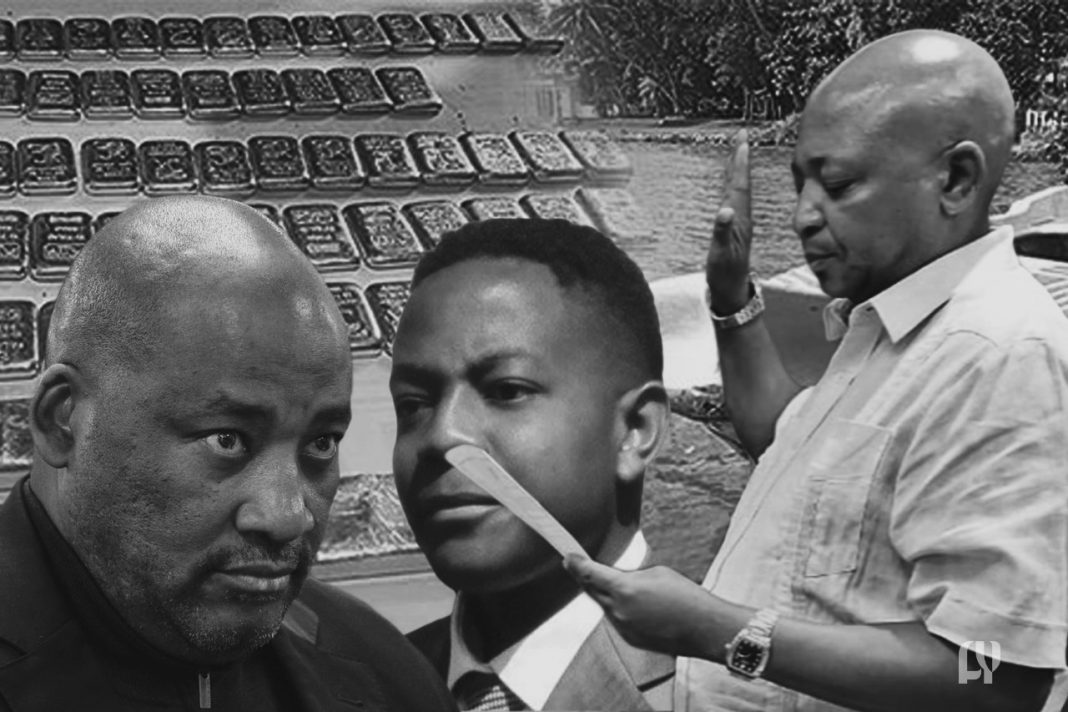
Floyd Shivambu’s political strategy path leaves many people shaking their heads in confusion and anger. Julius Malema recently called him out, saying Floyd behaves like a potential patient of a mental hospital. That comment stings. It comes from a man who once stood shoulder to shoulder with him in building the EFF. The raw truth hurts. Two former comrades now trade sharp words.
Meanwhile, South Africa’s poor watch their hopes fade year after year. Floyd’s moves look mad to some. However, if you dig deeper, you see a man gripped by old revolutionary ideas. These ideas refuse to die. Floyd Shivambu’s political strategy draws straight from international Marxist-Leninist theory, mixed with our own painful history. This approach drives everything he does now, and it explains why so many feel lost trying to follow him.
The Bitter Split That Still Burns
Julius Malema and Floyd Shivambu built the EFF together from nothing. They shouted down the powerful in Parliament, pushed for land return, and promised real change for the forgotten. Then came the cracks. Floyd left the EFF in 2024 and joined Jacob Zuma’s MK Party as secretary-general, but things soured fast. He was dismissed after a controversial visit to a pastor in Malawi.
He called Floyd’s behaviour that of someone needing serious help.
He clashed with party insiders and now leads his own group, the Africa Mayibuye Movement. Malema, in a recent interview, slammed defectors who leave and then act wildly. He welcomed back Mbuyiseni Ndlozi with open arms. Still, he shut the door on Floyd. He called Floyd’s behaviour that of someone needing serious help. The anger boils over because betrayal cuts deep in politics here. Families break, friendships end, and communities pick sides. Yet Floyd pushes on, convinced the old ways no longer work.
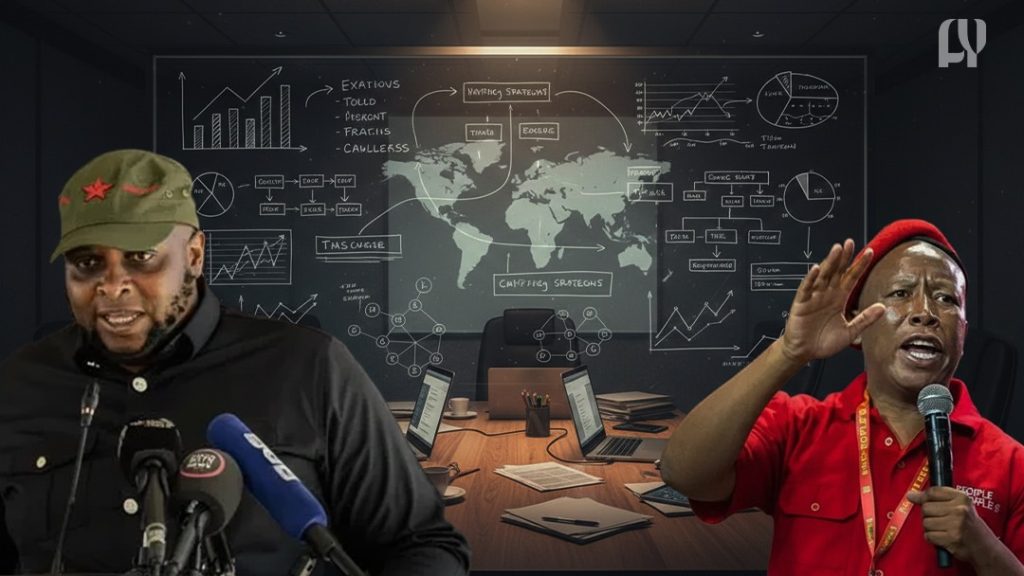
Floyd Shivambu’s political strategy roots itself in Leninist thinking, updated with South African twists. He does not chase headlines or big money anymore. Instead, he talks about building power from the ground up, ward by ward. On David Mashabela’s podcast, he laid out plans to create 23,292 structures, one for every voting district in the country. That number hits hard because it sounds impossible in a place where even basic services fail daily. But Floyd sees it as the only way to fight back against parties with deep pockets and fancy campaigns.
Why Floyd Turns to 1980s Street Committees
Look back to the 1980s. The apartheid government banned major liberation movements. No offices, no big rallies inside the country. People organised anyway through civic groups, student bodies, churches, and trade unions. They formed street committees small, local structures that handled disputes, organised boycotts, and built what they called people’s power. Those committees kept resistance alive when everything else got crushed. Floyd Shivambu’s political strategy copies that model exactly. He wants to recreate capillary power, spreading influence like tiny blood vessels through every community. In his view, big parties like the GNU rely on expensive ads and big donors. Control the voting district, though, and those resources mean nothing. Voters stay loyal to the local organiser who shows up when the lights go out or the taps run dry.
Godrich Gardee once complained about how costly our democracy has become. Elections swallow millions while people starve. Floyd tries to sidestep that trap. He argues that real power comes from the streets, not from Parliament’s red benches. This idea angers many because it rejects the game everyone else plays. Floyd Shivambu’s political strategy bets on hyper-local work. He walks through dusty, windblown wards. He sets up ward-specific chats. He listens to raw anger over service delivery failures, joblessness, and broken promises. That national consultation process Sizwe Dhlomo mocked? It forms the core of his plan. Consult the masses, shape their pain into a clear programme, then return it to them for action. This draws from Mao’s Mass Line idea: go to the people, learn from them, and lead them forward.
Lessons from Latin America and Local Struggles
Floyd looks beyond our borders for proof this can work. In Bolivia, Evo Morales built MAS from grassroots coalitions of indigenous groups, unions, and the unemployed. They faced rich opponents backed by global money but won through sheer organisation of the excluded. Hugo Chávez did something similar in Venezuela, turning local frustration into a movement that challenged neoliberal control. Floyd sees South Africa in the same light. The ANC’s collapse in many areas leaves a vacuum. State incapacity grows worse; potholes swallow cars, hospitals lack basics, and schools fall apart. A disciplined, local-first group can step in, no matter how much the other side spends.
Closer to home, the Unemployed People’s Movement gives him hope. They fought in court to dissolve a failing council. Then they ran as a broad front, won seats, and became the main voice for the poor in some places. Floyd points to that as evidence. When the ANC fails, people grab onto anyone who brings order. They seek dignity in their ward. Voters grow tired of loud leaders who promise everything from stages but deliver nothing at home. Floyd Shivambu’s political strategy gambles on that shift. People want the guy next door who fixes things, not a distant president.
The Hegemonic Impasse and Time of Monsters
Floyd describes South Africa as stuck in a hegemonic impasse. The old ruling elite in the GNU can no longer lead with confidence. The new force struggles to rise. Antonio Gramsci described this period as when the old world dies. The new one fights to be born, making it a time of monsters. To Floyd, the GNU represents those monsters: patched-together power that serves the few while the many suffer.
He refuses to outspend the Oppenheimers or Moshals. Instead, he aims to out-organise them at the doorstep. That mindset explains why he walked away from the EFF and then MKP. In both, he pushed against the commander-in-chief style where one man’s word rules all. He wanted disciplined structures, not personality cults.
Organisation beats visibility every time.
Julius sees it differently. Leaving big parties to start fresh looks like suicide. Post-1994 history backs him up: new parties without massive cash rarely survive. The EFF grew because of Julius’s brand, sharp slogans, media smarts, and parliamentary fire. He views South Africa as a flawed but workable liberal democracy. The 2024 elections proved the system allows competition; the ANC lost its majority, and the EFF held around 9.5%. Build on that, aim for 15% or 25%, form coalitions, and win seats. That pragmatic path keeps the EFF alive and growing.
Two Visions That Cannot Meet Floyd Shivambu’s political strategy
At its core, this clash boils down to what politics means. Julius plays the current game better: stronger brand, better disruptions, smarter alliances. The EFF carries his stamp: red berets, a military command feel, and a big personality at the centre. Floyd’s Leninist and Maoist leanings criticise that openly. He believes true change captures the social fabric at ward level. Organisation beats visibility every time. Voters in collapsing ANC areas choose the local structure that delivers, not a national face.

Floyd convinces the disengaged that they liberate themselves. He bets on terminal decline: governance holes widen so much that people cling to local order providers. Julius bets on competitive realignment: the system works if you play it right. Floyd Shivambu’s political strategy risks everything on the first view. History will judge him as visionary or deluded depending on whether South Africa truly crumbles or just shifts.
The sadness hits hard. Comrades who fought together now stand apart. Communities stay trapped in poverty while leaders argue theory. Anger rises because promises keep failing. The raw truth stares back: politics here chews up good intentions and spits out division. Floyd Shivambu’s political strategy challenges that cycle with old ideas reborn. Whether it saves us or wastes more time, only time will tell. But ignoring the pain he points to helps no one. South Africans deserve better than endless waiting.
Frequently Asked Questions (FAQ’s) Floyd Shivambu’s political strategy
Why did Floyd Shivambu leave the Economic Freedom Fighters (EFF)?
Shivambu left the EFF to pursue a different political path that eventually led him to the MK Party and the founding of the Africa Mayibuye Movement.
What was Julius Malema’s reaction to Floyd Shivambu’s recent political moves?
Julius Malema harshly criticized Shivambu’s behavior, comparing his actions to those of a patient who might need treatment in a mental hospital.
What is the main goal of Floyd Shivambu’s new political strategy?
His strategy aims to build grassroots power by establishing local structures in every one of the country’s 23,292 voting districts.
How does Shivambu’s approach differ from traditional parliamentary politics?
He focuses on hyper-local “street committees” and community organizing rather than relying on expensive national advertising or parliamentary visibility.
What political ideologies influence the Africa Mayibuye Movement?
The movement is deeply rooted in Marxist-Leninist and Maoist theories, adapted to fit the specific historical and social context of South Africa.