
The Legacy of Bessie Coleman: A Skyward Journey of Courage and Inspiration
In the annals of history, there are names that echo through time. They do so not merely for their achievements, but for the indomitable spirit they embodied. Bessie Coleman, the first African-American woman to hold a pilot’s license, is one such name. Her story is one of grit, determination, and an unyielding longing to soar above the limitations imposed by society. Today, we delve into the legacy of Bessie Coleman. Her legacy continues to inspire generations. It is particularly significant in South Africa. Her story resonates deeply with those who dare to dream beyond the confines of their circumstances.
- The Early Years: A Dream Takes Root
- Breaking Barriers: The Road to Becoming a Pilot
- The Tragic End and the Birth of a Legacy
- Bessie Coleman’s Legacy in South Africa
- The Impact of Bessie Coleman’s Legacy
- Five Important Facts About Bessie Coleman
- How Bessie Coleman Changed the World
- Conclusion: A Skyward Journey
- Frequently Asked Questions About Bessie Coleman
The Early Years: A Dream Takes Root
Bessie Coleman was born on January 26, 1892, in Atlanta, Texas, to a family of sharecroppers. Her childhood was marked by poverty and racial discrimination. Yet even in those early years, Bessie exhibited a fierce determination to rise above her circumstances. She walked four miles each day to a segregated one-room schoolhouse. There, she excelled in mathematics. She also developed a love for reading.
Her dreams, though, were not confined to the ground. Bessie’s fascination with flight began when she heard stories of World War I pilots. African Americans and women were systematically excluded from aviation at that time. Despite this, Bessie dared to envision herself in the cockpit of an aeroplane. Her journey to the skies was challenging. Her unrelenting spirit made her a pioneer in aviation.
The air is the only place free from prejudices.
Breaking Barriers: The Road to Becoming a Pilot
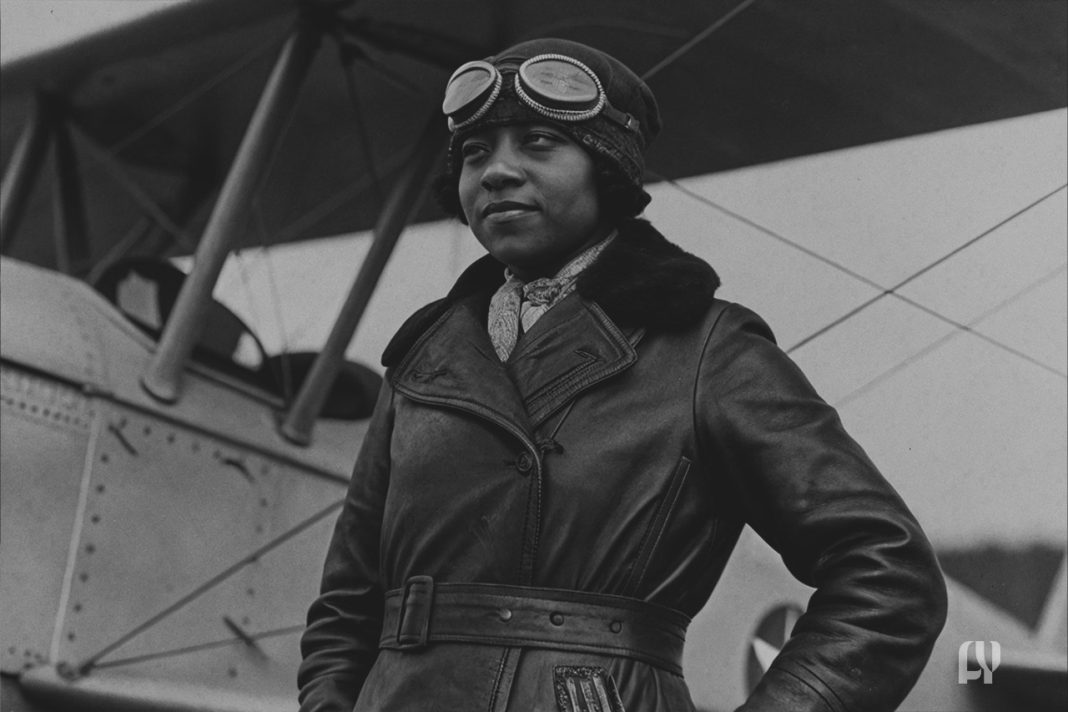
In the early 1920s, Bessie faced a harsh reality. No flight school in the United States would accept her because of her race and gender. Undeterred, she learnt French and moved to France, where she enrolled in the Caudron Brothers’ School of Aviation. On June 15, 1921, Bessie Coleman earned her international pilot’s license from the Fédération Aéronautique Internationale. She became the first African American woman to achieve this milestone.
Her achievement was not just a personal triumph. It was also a beacon of hope for countless others. These were people who had been told they can’t aspire to greatness. Bessie returned to the United States, where she became a barnstorming pilot, performing daring aerial stunts at air shows. Her performances were not just about entertainment. They were a statement. They boldly declared that the skies belonged to everyone, regardless of race or gender.

The Tragic End and the Birth of a Legacy
On April 30, 1926, Bessie Coleman’s life ended tragically. She fell from her plane during a test flight in Jacksonville, Florida. She was only 34 years old. Her death was a devastating blow to the aviation community, but her legacy was far from over. Bessie’s story became a rallying cry for those who believed in equality and the power of dreams.
In the decades that followed, her name became synonymous with courage and perseverance. Organisations like the Bessie Coleman Aviators Club were established to honour her memory. The Bessie Coleman Aerospace Legacy also inspires future generations of pilots, particularly women and people of colour.
Bessie Coleman’s Legacy in South Africa
Bessie Coleman’s story holds a special significance in South Africa, a nation with its own history of struggle and triumph. During the apartheid era, the skies were as divided as the land below. Black South Africans were systematically excluded from many professions, including aviation. Yet, just as Bessie had done decades earlier, a new generation of South Africans began to dream of flying.
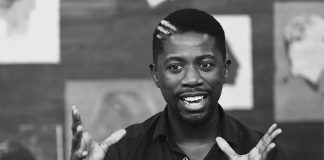
One such individual was André Bessie Coleman, a young man from Soweto who was named after the aviation pioneer. André’s story is a testament to the enduring power of Bessie Coleman’s legacy. Growing up in a township where opportunities were scarce, André found solace in books about aviation. He was particularly drawn to Bessie Coleman’s story, which he saw as a mirror of his own aspirations.
Despite facing many obstacles, André pursued his dream of becoming a pilot. He worked multiple jobs to save money for flight school and eventually earned his pilot’s license. Today, André is a commercial pilot and a mentor to young South Africans who aspire to follow in his footsteps.
I will not be limited by the boundaries of my race or gender.
The Impact of Bessie Coleman’s Legacy
Bessie Coleman’s legacy extends far beyond the realm of aviation. She is a symbol of resilience, a reminder that no dream is too big and no obstacle too insurmountable. Her story has inspired countless individuals to break free from the chains of societal expectations and pursue their passions.
In South Africa, her legacy is particularly poignant. The country’s history of racial segregation and inequality mirrors the challenges Bessie faced in her lifetime. Yet, just as she rose above her circumstances, so too have many South Africans. Today, the skies above South Africa are filled with pilots of all races and genders. This is a testament to the progress that has been made. It also highlights the work that still lies ahead.
Five Important Facts About Bessie Coleman
- First African-American Woman Pilot: Bessie Coleman was the first African-American woman to earn a pilot’s license. She paved the way for future generations of aviators.
- International License: She earned her pilot’s license in France after being denied entry to flight schools in the United States.
- Barnstorming Pioneer: Bessie became a renowned barnstorming pilot, performing aerial stunts to inspire others and challenge societal norms.
- Advocate for Equality: She used her platform to advocate for racial and gender equality. She often refused to do at segregated events.
- Enduring Legacy: Bessie’s legacy lives on through scholarships, aviation clubs, and the countless individuals she has inspired.
How Bessie Coleman Changed the World
Bessie Coleman’s impact on the world can’t be overstated. She shattered stereotypes and opened doors for future generations of pilots. Her story is a reminder that courage and determination can overcome even the most daunting challenges.
In South Africa, her legacy continues to inspire young people to reach for the stars. Organisations like the South African Civil Aviation Authority have launched initiatives to promote diversity in aviation. They make certain that the skies stay open to everyone.
Conclusion: A Skyward Journey
Bessie Coleman’s life was a testament to the power of dreams. She dared to envision a world where the skies were not divided by race. She also imagined a future without division by gender. In doing so, she changed the course of history. Her legacy lives on in the hearts of those who dare to dream. This is true from the townships of South Africa to the bustling cities of the United States.
As we think about her life and legacy, let us remember the words she often spoke. She said, “The air is the only place free from prejudices.” Her story continues to inspire us. We should reach for the skies, no matter the obstacles that lie in our path.

Frequently Asked Questions About Bessie Coleman
How far did Bessie Coleman fall when she died?
Bessie Coleman fell approximately 2,000 feet from her plane during a test flight on April 30, 1926.
What are 5 important facts about Bessie Coleman?
She was the first African-American woman to earn a pilot’s license. She obtained her license in France. She became a barnstorming pilot. She advocated for equality and inspired countless future aviators.
How did Bessie Coleman change the world?
Bessie Coleman broke racial and gender barriers in aviation, inspiring generations to pursue their dreams despite societal limitations.
What was Bessie Coleman doing when she died?
She was preparing for an airshow and testing a newly purchased plane when the plane malfunctioned, causing her fatal fall.
How old was Bessie Coleman when she died?
Bessie Coleman was 34 years old at the time of her tragic death in 1926.
Luyanda Nonkobongo is a freelance journalist based in Eastern Cape, South Africa. She specialises in stories of resilience and triumph, particularly those that highlight the contributions of women and marginalised communities.