
Understanding Cancer and the Healing Power of South African Herbs. It aims to bridge tradition and science
The Legacy of South African Herbs in Traditional Medicine
For centuries, South African herbs have been integral to indigenous healing practices. They offer solace and support for various ailments, from common colds to chronic conditions. Today, cancer rates are rising globally. Researchers and communities are revisiting these botanical treasures.
They want to explore their potential role in supporting modern oncology. No herb can cure cancer. Their historical use in boosting immunity is notable. They also reduce inflammation and improve quality of life. This provides a compelling narrative of resilience and hope.
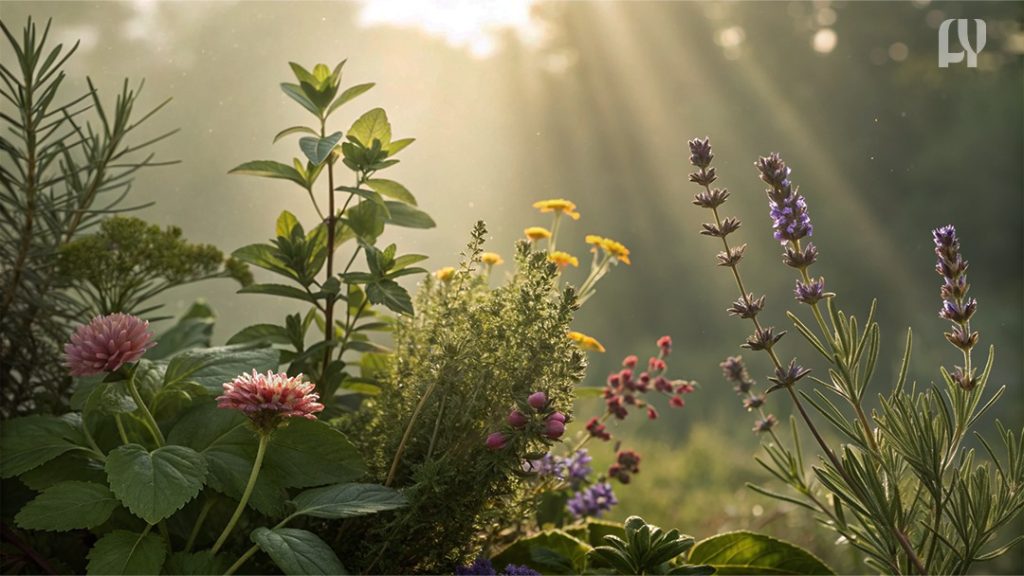
South African Herbs: A Closer Look at Traditional Remedies
- Sutherlandia (Cancer Bush): The Immune System’s Ally
- Traditional Use: Known as “insisa” (the one that burns) among Zulu healers, Sutherlandia has been brewed into teas. It has also been made into poultices for generations. It helps combat fatigue and cleanse the blood. It also strengthens the body during illness. Its bitter taste is believed to signal its potency.
- Modern Research: Laboratory studies highlight Sutherlandia’s high concentration of L-canavanine, an amino acid with anti-tumour properties. A 2018 in vitro study observed its ability to inhibit the growth of breast cancer cells. Human trials are scarce. Dr Thandi Nkosi, a Johannesburg-based oncologist, cautions, “While promising, Sutherlandia is not a substitute for chemotherapy. Patients must avoid self-prescribing due to risks of liver toxicity.”
- African Potato: Nature’s Immune Modulator
- Traditional Use: The tuber of Hypoxis hemerocallidea, or “inkomfe”, is prepared in various ways. It is roasted, powdered, or infused into tonics. These techniques help address urinary infections, arthritis, and immune weakness. Elders in Limpopo Province recount its use during famines to stave off illness.
- Modern Research: Beta-sitosterol, a compound in African potato, has shown immune-boosting effects in animal studies. A 2020 review in the South African Medical Journal noted its potential to reduce inflammation in cancer patients undergoing radiation. Dr Liam van der Merwe, a Cape Town pharmacologist, stresses, “Beta-sitosterol interferes with hormone therapies. Transparency with your care team is non-negotiable.”
- Rooibos: The Antioxidant Powerhouse
- Traditional Use: This caffeine-free ruby-red tea comes from the Cederberg Mountains. It has been a staple in Khoisan culture for its calming effects. It also offers digestive benefits.
- Modern Research: Rich in aspalathin, Rooibos neutralises free radicals linked to DNA damage. A 2021 study found that daily consumption improved antioxidant levels in colorectal cancer patients. No direct anti-cancer effects were proven. Nutritionist Anika Patel advises, “Think of Rooibos as a shield, not a sword—it supports but doesn’t fight.”
- Hoodia Gordonii: Easing the Burden of Treatment
- Traditional Use: San tribesmen chewed Hoodia stems during long hunts to suppress hunger. Today, it’s gaining attention for mitigating chemotherapy-induced appetite loss.
- Modern Research: While Hoodia’s molecule P57 stimulates brain satiety centres, its efficacy in cancer care is anecdotal. “Appetite suppression isn’t always desirable,” warns dietitian Mbali Dlamini. “Severe weight loss requires tailored solutions.”
We’re sitting on a goldmine of knowledge. Collaboration between traditional healers and scientists unlocks breakthroughs
Navigating Cancer Treatment: The Complementary Role of South African Herbs
Cancer’s complexity demands a multifaceted approach. Conventional treatments like surgery, chemotherapy, and immunotherapy stay pillars of care. Integrating South African herbs address gaps in symptom management.
- Fatigue and Emotional Resilience: A 2022 survey of 200 Cape Town patients revealed significant findings. 34% used Sutherlandia or Rooibos. They used these to alleviate treatment-related exhaustion. “It’s not about curing cancer,” shared lung cancer survivor Sipho Mbatha. “It’s about finding strength to endure each day.”
- Inflammation and Pain: African potato’s anti-inflammatory properties complement painkillers, though interactions with blood thinners like warfarin require caution.
Voices from the Community: Stories of Hope and Healing
In the Eastern Cape, 62-year-old Gogo Ndlovu prepares a weekly brew of Sutherlandia and honey. She does this for her daughter, who is a breast cancer patient. “The doctors handle the disease; we handle the spirit,” she says. While her daughter’s oncologist, Dr Rebecca Abrams, acknowledges the psychological benefits, she reiterates, “Herbs must never delay proven treatments.”
The Critical Need for Clinical Trials in Herbal Oncology
Despite their cultural significance, South African herbs face a research desert. Only 5% of studies on African medicinal plants focus on cancer, per a 2023 University of Pretoria report. Funding gaps and regulatory hurdles stall progress. “We’re sitting on a goldmine of knowledge,” argues ethnobotanist Dr Sizwe Mbatha. “Collaboration between traditional healers and scientists unlocks breakthroughs.”
How to Safely Integrate Herbal Support into Cancer Care
- Consult Early and Often: Reveal all herbal use to your oncologist. Even “natural” remedies can clash with treatments—e.g., Sutherlandia reduces the efficacy of certain chemotherapies.
- Quality Control: Opt for standardised extracts from reputable suppliers to avoid contaminants.
- Watch Reactions: Track symptoms and share updates with your care team.
The doctors handle the disease; we handle the spirit.
Answers to Common Cancer Questions: Expanded Insights
Can cancer be cured completely?
Early detection is pivotal. For instance, Stage 1 melanoma has a 99% 5-year survival rate. Yet, “cure” remains a loaded term—many survivors live with long-term effects.
How to survive cancer?
Emotional health is often overlooked. Support groups, like those at Johannesburg’s Sunflower Clinic, correlate with higher resilience rates.
What kills cancer cells?
Emerging therapies like CAR-T cell immunotherapy show promise, but accessibility in low-income nations remains a challenge.
What cancer is 100% curable?
Testicular and thyroid cancers have near-100% cure rates if caught early.
Does cancer cause pain?
Yes, but pain management (medication, therapy) is part of care.
Important Notes: A Call for Balanced Healing
- Herbs Are Not Cures: The 2019 “Miracle Herb” scandal occurred when vendors falsely marketed Sutherlandia as a cure. This misleading marketing led to preventable deaths. Scepticism saves lives.
- Advocate for Research: Push for policies that fund herbal studies without diluting rigorous scientific standards.
Stay hopeful, stay informed, and focus on evidence-based care. South African herbs offer a thread of tradition in the tapestry of modern medicine—handle them with care, curiosity, and respect.