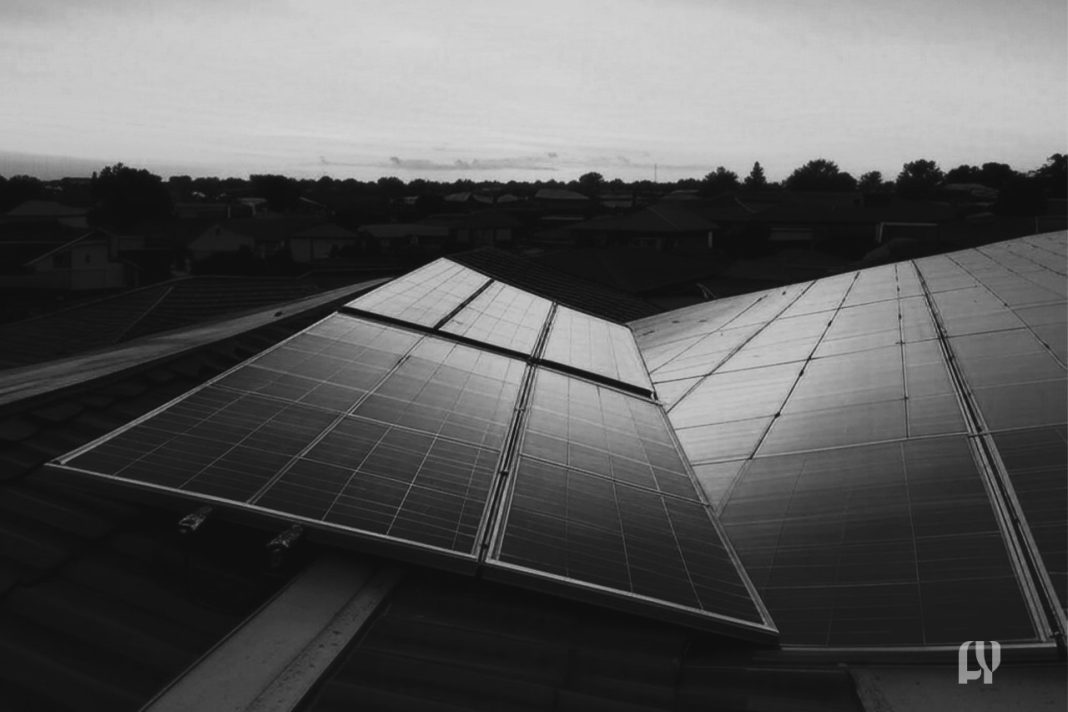

Eskom Solar Fees: Zero Solar Fees Extended to 2026
Zero Solar Fees: Eskom’s Surprise Move Eases Burden on Homeowners
Earlier this week, Eskom announced a historic decision. The field of renewable energy has been electrified by it. Eskom plans to keep residential solar installations free of registration fees through March 2026. Industry experts hail the action as a “win for energy independence.” The utility warned about upcoming fees for homes with rooftop solar systems only a few months ago. Millions of South Africans now have a crucial opportunity to switch to solar energy. They can do so without incurring administrative fees. This respite coincides with rising electricity costs and continuous load shedding.
- Why Eskom’s Zero Solar Fees Extension Matters Now
- The Backstory: From Solar Crackdown to Compromise
- Zero Solar Fees: How Households Can Capitalise
- Addressing the Elephant in the Room: Registration Myths Debunked
- The Dark Side of Solar: What Eskom Isn’t Saying
- Political Firestorm: DA Slams Eskom’s “Contradictory” Policies
- Beyond 2026: What the Zero Solar Fees Deadline Means for SA’s Energy Future
- Final Word: A Solar Revolution Within Reach
- FAQs About Eskom’s Zero Solar Fees Extension
Why Eskom’s Zero Solar Fees Extension Matters Now
Eskom’s reversal comes after intense public outcry. There was also significant political pressure over its controversial plan. This plan was to impose registration fees starting in March 2025. Under the revised policy, homeowners who install solar panels before March 2026 will avoid fees entirely. Latecomers face penalties upwards of R938 per kVA of installed capacity. The decision aligns with the government’s broader push to stabilise the grid by incentivising decentralised energy solutions.
Solar is no longer optional; it’s a national imperative
“This extension acknowledges the vital role households play in alleviating pressure on our grid,” said Eskom spokesperson Sikonathi Mantshantsha. “We urge South Africans to use this period to formalise their systems. They should guarantee safety and compliance while enjoying the benefits of solar energy.”
The Backstory: From Solar Crackdown to Compromise
Earlier this year, Eskom sparked alarm by announcing registration fees for solar users. They argued that the charges would offset revenue losses. This would occur as wealthier customers reduced dependence on the grid. Critics slammed the move as a “tax on sunlight,” warning it would stifle renewable energy adoption. The backlash reached Parliament, with opposition parties like the DA and VF+ condemning the fees as “anti-poor” and “economically shortsighted”.
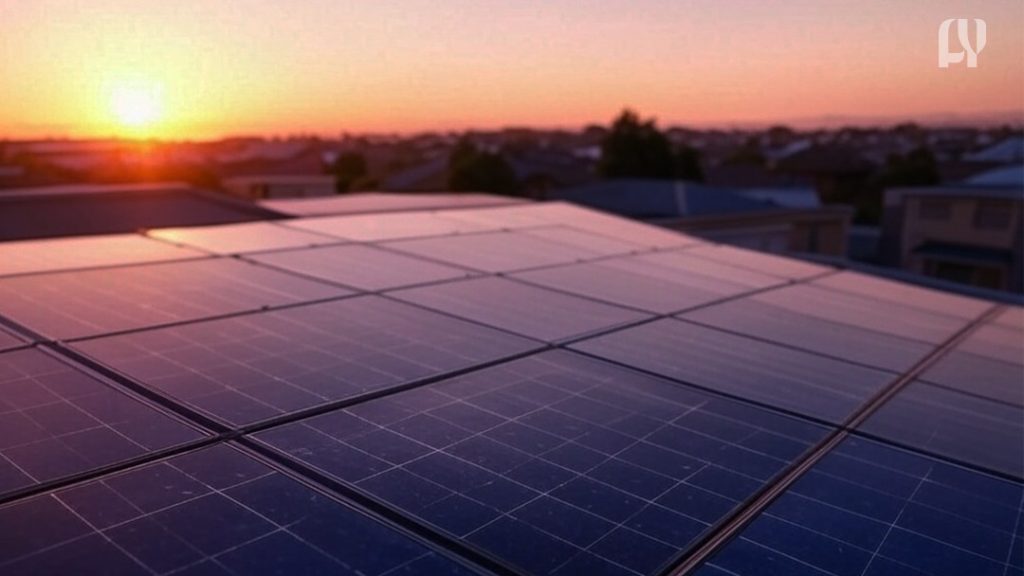
The utility’s about-face indicates a tricky measuring act. Eskom confronts an annual income shortage of R23 billion as a result of solar migration. It can’t afford to offend the very customers who support its operations. The extension buys time for both households and Eskom. Families gain two extra years to invest in solar without fees. The utility also avoids accelerating grid defection.
Zero Solar Fees: How Households Can Capitalise
For homeowners, the deadline extension is a golden opportunity. A typical 5 kW solar system is enough to power a middle-class home. It can save families up to R2,300 monthly on Eskom bills. With registration fees waived, the upfront cost of installation (roughly R150,000 for a 5kW setup) becomes more manageable.
“This isn’t just about avoiding fees; it’s about locking in long-term savings,” said Cape Town-based energy analyst Lungelo Ndaba. “Eskom’s tariffs have risen 450% since 2007. Solar isn’t a luxury anymore; it’s a financial safeguard.”
Addressing the Elephant in the Room: Registration Myths Debunked
Despite Eskom’s assurances, confusion persists. Must households register their systems? Yes. Does registration apply only to grid-tied setups? Yes. Off-grid systems stay exempt. The process involves submitting an application form and an electrical certificate of compliance. It aims to prevent illegal connections and grid destabilisation.
The Dark Side of Solar: What Eskom Isn’t Saying
While the zero-fee extension is celebratory, challenges linger. Eskom’s ageing infrastructure struggles to handle bidirectional energy flows from solar homes, causing voltage fluctuations in some areas. Moreover, unscrupulous vendors have flooded the market, selling substandard panels that underperform or pose fire risks.
This isn’t just about avoiding fees; it’s about locking in long-term savings.
“Not all solar providers are equal,” warned Johannesburg installer Thandiwe Mbeki. “Always check for South African Renewable Energy Certification (SAREC) accreditation.”
Political Firestorm: DA Slams Eskom’s “Contradictory” Policies
The DA has criticised Eskom’s “schizophrenic” approach, noting that while the utility encourages solar adoption, its 12.74% tariff hike effective April 2025 punishes those who stay grid-dependent. “Eskom is squeezing low-income households to subsidise its inefficiencies,” said DA energy spokesperson Samantha Graham-Maré.
Beyond 2026: What the Zero Solar Fees Deadline Means for SA’s Energy Future
Eskom’s deadline extension is a stopgap, not a solution. Analysts argue that without structural reforms, the utility’s death spiral will intensify. Rising tariffs drive more customers to solar. This shift further erodes revenue. The policy does offer short-term breathing room for a nation desperate to end load-shedding.
“Solar is no longer optional,” said Energy Minister Gwede Mantashe. “It’s a national imperative.”
Final Word: A Solar Revolution Within Reach
Zero solar fees are guaranteed until 2026. South African households have a historic opportunity to shape their energy futures. As battery prices fall and panel efficiency improves, the dream of energy independence becomes closer than ever. But the clock is ticking. March 2026 will arrive sooner than we think.
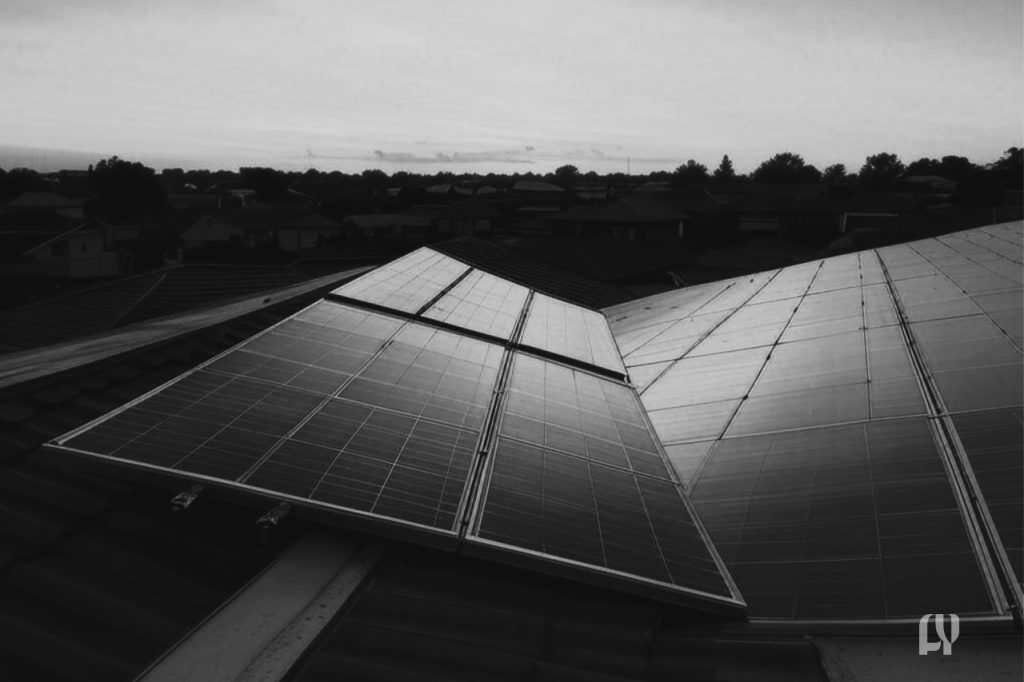
FAQs About Eskom’s Zero Solar Fees Extension
Do I still need to register my solar system with Eskom before 2026?
Yes, registration remains mandatory for grid-tied systems to guarantee compliance and safety. The zero solar fees policy means you won’t pay anything until March 2026.
Will Eskom charge me if I install solar after March 2026?
Yes, latecomers will face fees of up to R938 per kVA of installed capacity. Registering before the deadline locks in savings.
Are off-grid solar systems exempt from registration?
Yes, only grid-tied systems must register. Fully off-grid setups (with no Eskom connection) are unaffected by the fees.
Can Eskom disconnect me if I don’t register my solar panels?
After March 2026, unregistered systems face penalties or disconnection. Registering now avoids future risks.
Does the zero-fee policy apply to batteries and inverters?
No, the zero solar fees only cover panels feeding into the grid. Batteries and inverters stay fee-free.