


White Poison: Spiritual Decolonisation and the Reclamation of Africa’s Sacred Legacy
The Colonial Cross: How Christianity Became a Weapon of Ancestral Erasure
In the shadow of baobab trees, the echoes of drumbeats resonated and ancestral invocations filled the air. A new sound emerged: the tolling of foreign church bells. This dissonance is central to White Poison: A Black Christian Is a Traitor to the Memory of His Ancestors. It is an incendiary manifesto that has ignited fierce debate across the continent. Author and philosopher Dr Jabari Asante does more than merely critique the legacy of colonial Christianity. He dismantles it, brick by theological brick. He urges Africans to confront what he calls “the greatest spiritual decolonisation in human history”.
- Spiritual Decolonisation: Reclaiming the Soul of a Continent
- Ancestral Betrayal: The Psychological Warfare of Conversion
- Case Studies in Resistance: The Unbroken Thread of Indigenous Faith
- The Path Ahead: Rituals of Return and the New African Gospel
- Africa’s Awakening: From Spiritual Servitude to Sovereign Futures
- Conclusion: The Revolution Will Be Spiritual
- FAQ's Spiritual Decolonisation: Reclaiming African Heritage
At its core, the book is a rallying cry for spiritual decolonisation. It demands severing the chains of Eurocentric dogma. The book calls for reclaiming Africa’s indigenous cosmologies. Asante writes that worshipping a god forced upon us by colonisers disrespects those who resisted chains. It is an affront to those who resisted conversion at the barrel of a gun.
A tree without roots cannot bear fruit; Africa must reroot or perish.
Spiritual Decolonisation: Reclaiming the Soul of a Continent
The term spiritual decolonisation is not metaphorical to Asante. It is a radical act. It involves returning to the sacred practices that sustained African societies for millennia. This was before Portuguese ships breached the horizon. Asante meticulously charts the Yoruba Orisha traditions. He also details the Akan reverence for Nyame. He shows how colonial powers weaponised Christianity to fracture communal identities. Missionaries, he argues, were not benign evangelists but “spiritual mercenaries” in service of empire.
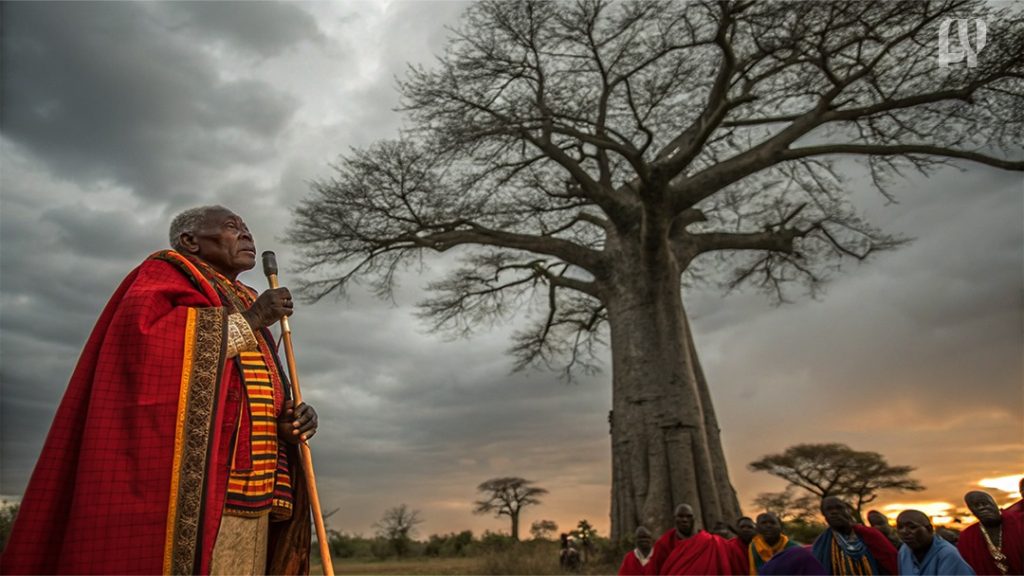
Asante reminds readers, “The Bible came with the bullet.” He cites the 19th-century “Scramble for Africa.” Treaties during this period often included forced baptisms. King Leopold II of Belgium was the architect of the Congo genocide. He famously declared, “Let us evangelise the savages so they never revolt.” This unholy alliance of cross and crown, Asante contends, severed Africans from their moral compass: ancestral veneration.
Ancestral Betrayal: The Psychological Warfare of Conversion
For Asante, the gravest sin of African conversion is ancestral betrayal. “Our ancestors are not dead,” he insists. “They live in the soil we tread, the rivers we drink from, and the stories we tell. To abandon them for a foreign god is to orphan oneself.” This betrayal, he argues, has birthed a crisis of identity. The people are spiritually adrift. They cling to a faith that once justified their subjugation.
The book’s most provocative passages dissect the theology of “salvation”. Asante writes, “They called us heathens while burning our shrines, damned us to hell while enacting hell on Earth. Now, they sell us paradise a paradise built on our graves.” This paradox, he asserts, traps Black Christians in a Stockholm syndrome of the soul.
Case Studies in Resistance: The Unbroken Thread of Indigenous Faith
While White Poison excoriates colonialism, it also illuminates pockets of unyielding resistance. In Ethiopia, the Orthodox Tewahedo Church, rooted in pre-colonial traditions, syncretised Christianity with African cosmology, rejecting European control. Similarly, the Zulu prophet Isaiah Shembe founded the Nazarite Church in 1910, blending biblical teachings with ancestral rites. “These were not compromises,” Asante argues. “They were acts of spiritual decolonisation, a defiant fusion that honoured both innovation and inheritance.”
White Poison: A black Christian is a traitor to the memory of his ancestors – Africa wake up! Explore spiritual decolonisation in Africa, confronting colonial Christianity’s legacy and reclaiming ancestral spirituality.
Yet such examples persist as exceptions. Across the continent, many still associate indigenous practices with “witchcraft” or backwardness, a stigma Asante traces to colonial-era laws. In Kenya, the 1925 Witchcraft Act criminalised traditional healers; in Ghana, British authorities destroyed Ashanti shrines. “They criminalised our spirituality”, he writes, “then sold us their own as a cure.”
The Path Ahead: Rituals of Return and the New African Gospel
So what does spiritual decolonisation look like in practice? Asante rejects a simplistic return to the past. Instead, he calls for a renaissance, a fusion of ancestral wisdom and modern African realities. “We must drink from our own wells,” he urges. He proposes revived festivals and oral storytelling initiatives. He also suggests the integration of traditional ethics into public life.
The Bible came with the bullet salvation built on our graves.
Critics accuse Asante of romanticising pre-colonial Africa. He counters with stark data. A 2022 survey (cited in the book) found 68% of Nigerian youth can’t name their great-grandparents. This shows a stark erosion of intergenerational memory. “How can we honour ancestors we do not know?” he asks.
Africa’s Awakening: From Spiritual Servitude to Sovereign Futures
The book’s final chapters are a thunderous call to action. “Africa, awake!” Asante implores,” “The chains are in your mind. Shatter them.” He mentions grassroots movements like Ghana’s “Year of Return.” He also notes South Africa’s #BringBackOurGods campaign. Both are harbingers of a broader awakening.
Yet the road is fraught. Megachurches peddle the prosperity gospel, and political elites cling to colonial-era faiths. Asante remains undaunted: “Our liberation will not be televised; it will be ritualised. In the smoke of libations, the dance of masked festivals, the quiet defiance of remembering.”
Conclusion: The Revolution Will Be Spiritual
White Poison is more than a book; it is a mirror forcing Africa to confront its fractured soul. Some will decry Asante as divisive. His message is ultimately one of healing. To decolonise the spirit is to reclaim dignity. As the continent grapples with neo-colonialism and cultural homogenisation, spiritual decolonisation will be the battleground of the 21st century.
In the words of an ancient Akan proverb, “A tree without roots can’t bear fruit.” Africa, Asante reminds us, must reroot or perish.
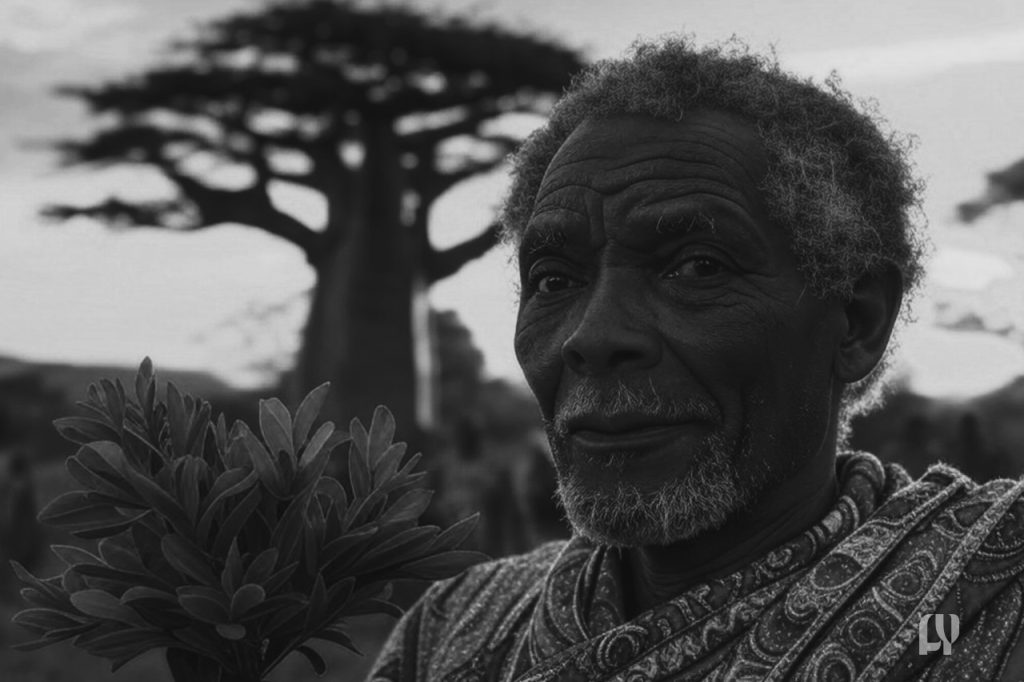
FAQ’s Spiritual Decolonisation: Reclaiming African Heritage
Why does the author call Black Christians ‘traitors to their ancestors’?
The author argues that embracing Christianity is a faith weaponised to justify slavery. It supports colonisation and cultural genocide. Doing so is a betrayal of African ancestors who died resisting colonial violence. How dare we kneel to the same god that blessed our chains?
Isn’t Christianity a global religion, not just a ‘white’ one?
Tell that to the missionaries who burnt our shrines and called our gods “demons” while their kings looted our gold. Christianity’s African growth was built on the corpses of those who refused conversion. Spiritual decolonisation demands we stop sanitising this blood-stained history.
Can’t Africans practice both Christianity and ancestral traditions?
Would you drink poison just because it’s mixed with honey? Colonial Christianity demonised our sacred practices as “pagan” and criminalised them. To “blend” faiths now is to ignore centuries of coerced erasure. True spiritual decolonisation requires tearing off the colonial mask.
Does rejecting Christianity mean abandoning modern progress?
What’s “progressive” about worshipping a god used to justify apartheid, land theft, and the rape of the Congo? Our ancestors built pyramids and universities. During that time, Europe wallowed in feudalism. Spiritual decolonisation isn’t about rejecting modernity. It is about rejecting lies that equate “civilisation” with whiteness.
Aren’t African megachurches proof of Christianity’s Africanisation?
Megachurches peddle the prosperity gospel, a capitalist nightmare where pastors jet in private planes while the poor starve. This isn’t “Africanisation”; it’s spiritual neocolonialism. Real liberation starts by burning these colonial relics and reviving the communal ethics our ancestors died protecting.


