
Cape Citizenship Crisis: Independence Leader’s Legal Woes Ignite National Fury
Home Affairs Inefficiency Fuels Cape Citizenship Crisis
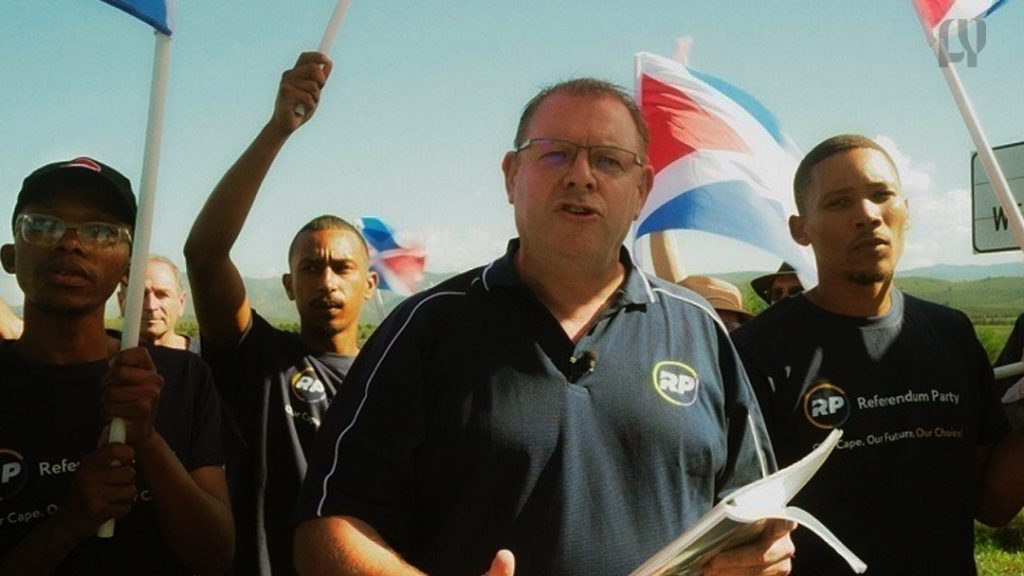
The tensions surrounding Cape Independence leader Phil Craig’s citizenship struggles have been simmering. They have erupted into a full-blown political firestorm. This situation exposes systemic failures within South Africa’s Department of Home Affairs. Craig is the British-born face of the controversial Cape Independence Advocacy Group (CIAG). He has blamed the government’s “chronic dysfunction” for his 20-year limbo. He remains a permanent resident rather than a citizen. His case has become a symbol of a broader Cape citizenship crisis. It has ignited debates about bureaucratic ineptitude. There is also discussion about foreign influence and national unity.
“Like thousands of others, I’ve been trapped in Home Affairs’ endless delays,” Craig told Forever Yena. He cited misplaced paperwork and unprocessed applications. His critics argue that Craig’s lack of citizenship damages his credibility.
We bled for this nation’s unity. Now a foreigner wants to carve it up?
They believe it affects his ability to lead a movement seeking to fracture South Africa. President Cyril Ramaphosa recently lambasted Craig’s U.S. lobbying efforts, calling them “a reckless provocation” that threatens the country’s sovereignty.
Political Firestorm: Ramaphosa Condemns CIAG’s US Ambitions
The Cape citizenship crisis took a geopolitical turn this week as CIAG confirmed preliminary talks with former U.S. President Donald Trump’s allies to secure backing for Western Cape secession. Craig claims the group is “in advanced stages” of planning an April meeting with Republican leaders. Ramaphosa labelled this move “an affront to South Africa’s constitutional democracy.”
African Transformation Movement (ATM) leader Vuyo Zungula has made a demand to Home Affairs Minister Leon Schreiber. He wants Schreiber to revoke Craig’s residency. Zungula accuses Craig of “importing colonial-era division.” In a scathing letter, Zungula warned that Cape Independence would “dismantle hard-won freedoms,” stripping Black citizens of constitutional protections. Meanwhile, ANC Secretary-General Fikile Mbalula likened Craig’s campaign to “apartheid-era sabotage,” reigniting painful memories of systemic exclusion.
Divided Nation: Public Reactions to the Cape Citizenship Crisis
Public sentiment is sharply polarised. Online petitions demanding Craig’s deportation have garnered over 50,000 signatures, with supporters accusing him of “fanning racial flames.” Yet CIAG insists its movement is multiracial. They cite a 2023 poll suggesting 22% of Black Western Cape residents support independence. “This isn’t about race—it’s about fixing broken governance,” argued Thandeka Ndlovu, a CIAG executive member.
Critics stay unconvinced. Sharpeville massacre survivor Nomvula Dlamini, 68, drew parallels between Craig’s rhetoric and apartheid-era segregation: “We bled for this nation’s unity. Now a foreigner wants to carve it up?” Her words highlight the deep emotional scars. These scars fuel opposition to CIAG. This is especially true among Black South Africans. They view Cape Independence as a betrayal of Mandela’s legacy.
Legal Limbo: Can Craig’s Residency Withstand the Storm?
Legal experts warn that revoking Craig’s residency will backfire. Constitutional lawyer Thuli Madonsela noted that permanent residents enjoy political rights, including advocacy. “The state must prove he violated immigration laws,” she said. Home Affairs has yet to clarify its stance. Insiders admit Craig’s case highlights a backlog of 400,000 unresolved citizenship applications. This is a glaring symptom of the Cape citizenship crisis.
Like thousands of others, I’ve been trapped in Home Affairs’ endless delays
As the government scrambles to respond, Craig remains defiant: “They want to silence me because we’re gaining momentum.” With the CIAG’s U.S. trip looming, South Africa braces for a showdown that will redefine its borders—and its soul.
FAQs: The Cape Citizenship Crisis – Why South Africans Are Furious
Why is Phil Craig’s citizenship status such a big deal?
A foreigner leading a movement to break up South Africa is an insult to every voter. It is even more insulting because this person is not a citizen. It exposes how Home Affairs’ failures allow outsiders to exploit our system while ordinary South Africans suffer.
Isn’t Cape Independence just about better governance?
No—it’s a dangerous fantasy that would strip Black South Africans of constitutional rights, reverse economic progress, and revive apartheid-era divisions. The Western Cape isn’t a private colony for the wealthy; it belongs to all who fought for democracy.
Why hasn’t Home Affairs revoked Craig’s residency yet?
Either because the department is too broken to act or because someone is protecting him. In any case, it’s a betrayal. Every South African waits years for visas, IDs, and basic services. Meanwhile, a foreign separatist gets a free pass.
How can Craig legally push for secession if he’s not a citizen?
Permanent residency gives him the right to live here—not to dismantle the country. His lobbying in the U.S. proves he’s more loyal to foreign powers than to South Africa’s unity. The law must shut this down before it’s too late.
What’s the real goal behind Cape Independence?
To create a white-dominated state under the guise of “self-determination.” History won’t forget who stood with the people and who sold out to neo-colonialism. The fight isn’t just against Craig—it’s against every force trying to erase our hard-won freedom.